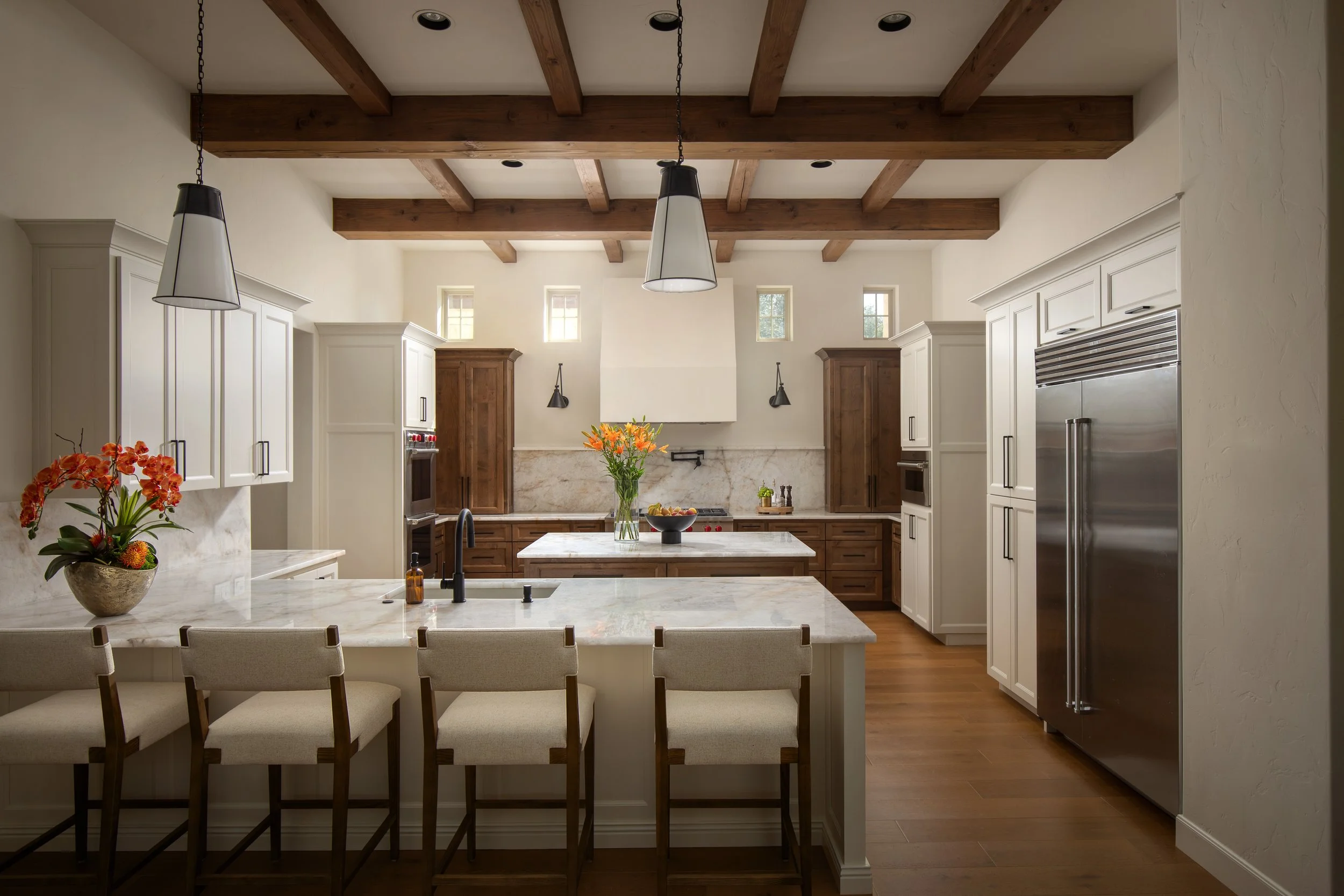
If you ask most interior designers why they hire a professional photographer, the first answer is usually simple:
"To get beautiful photos of the project."
That's certainly part of it—but it's also only scratching the surface.
Professional interior photography isn't just about creating beautiful images. It's about preserving months, sometimes years, of thoughtful work in a way that honors the design and supports the future of your business.
By the time a project reaches photography day, countless decisions have already been made. Floor plans have been revised. Materials have been sourced. Custom millwork has been drawn, built, and installed. Fabrics have been chosen, rejected, and chosen again. Every finish, every fixture, every piece of furniture exists because someone cared deeply about how the space would ultimately feel.
Photography is often the final creative step in that process.
It's also the beginning of something entirely new.
The images created on photo day become the way your work will be remembered long after the furniture has been rearranged, the homeowners have moved away, or the trends that inspired the project have evolved. For many designers, those photographs become the face of their business for years to come.
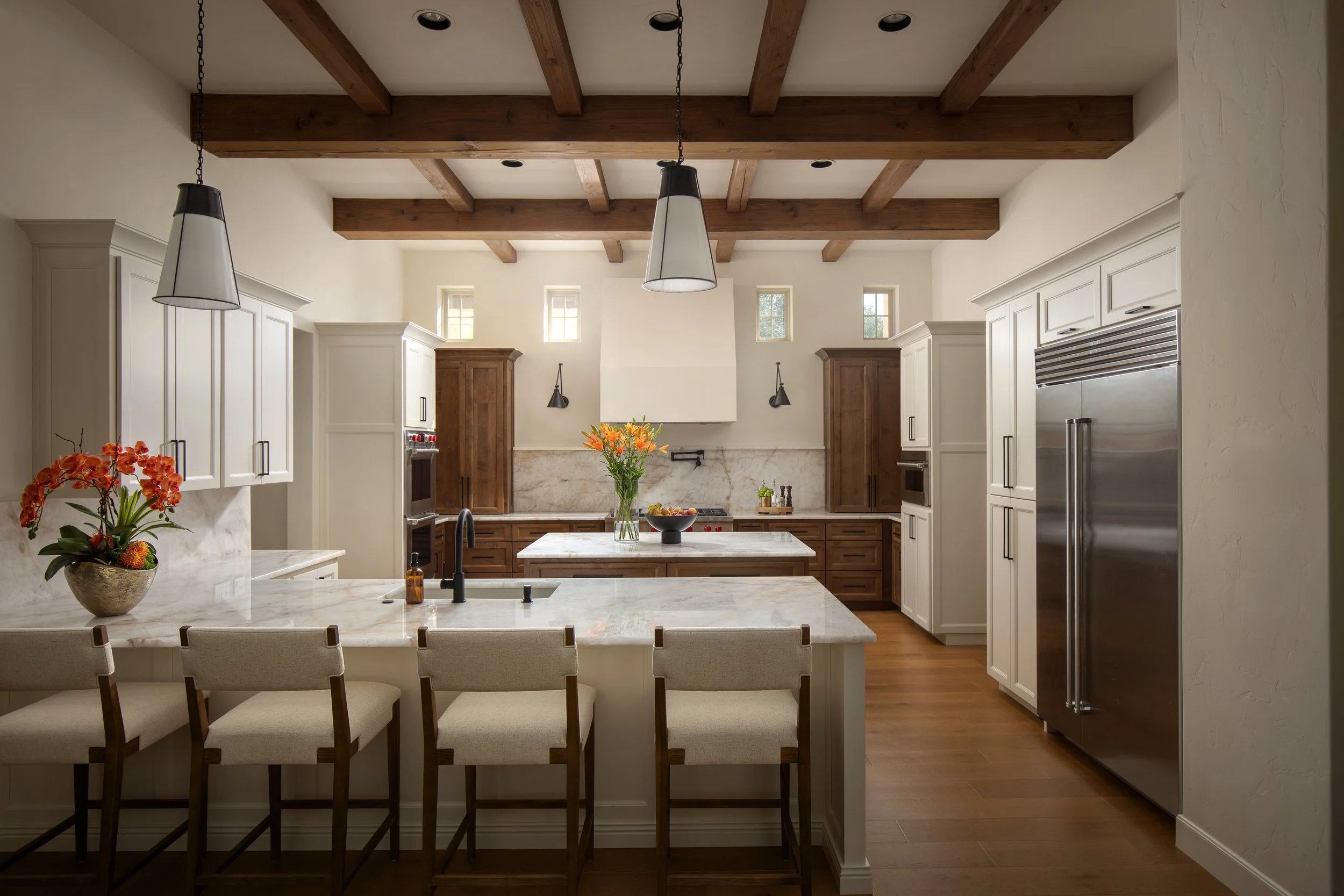
Your Portfolio Is Often Your First Conversation
Long before a potential client schedules a discovery call, they visit your website. They scroll through Instagram. They browse Pinterest. They save images that resonate with them.
Before they've read your philosophy or learned about your process, they've already formed an impression based almost entirely on your photography.
Whether we realize it or not, people instinctively associate the quality of the images with the quality of the work itself. That's not always fair, but it's human nature.
Strong photography doesn't create great design.
It reveals it.
Thoughtful lighting, careful composition, and intentional editing allow the craftsmanship, materiality, and atmosphere of a space to be experienced by someone who has never stepped through the front door. Instead of simply showing a room, the photographs communicate the care behind it.
For designers, that's often the difference between someone admiring a project and someone deciding, "This is exactly who I want to hire."
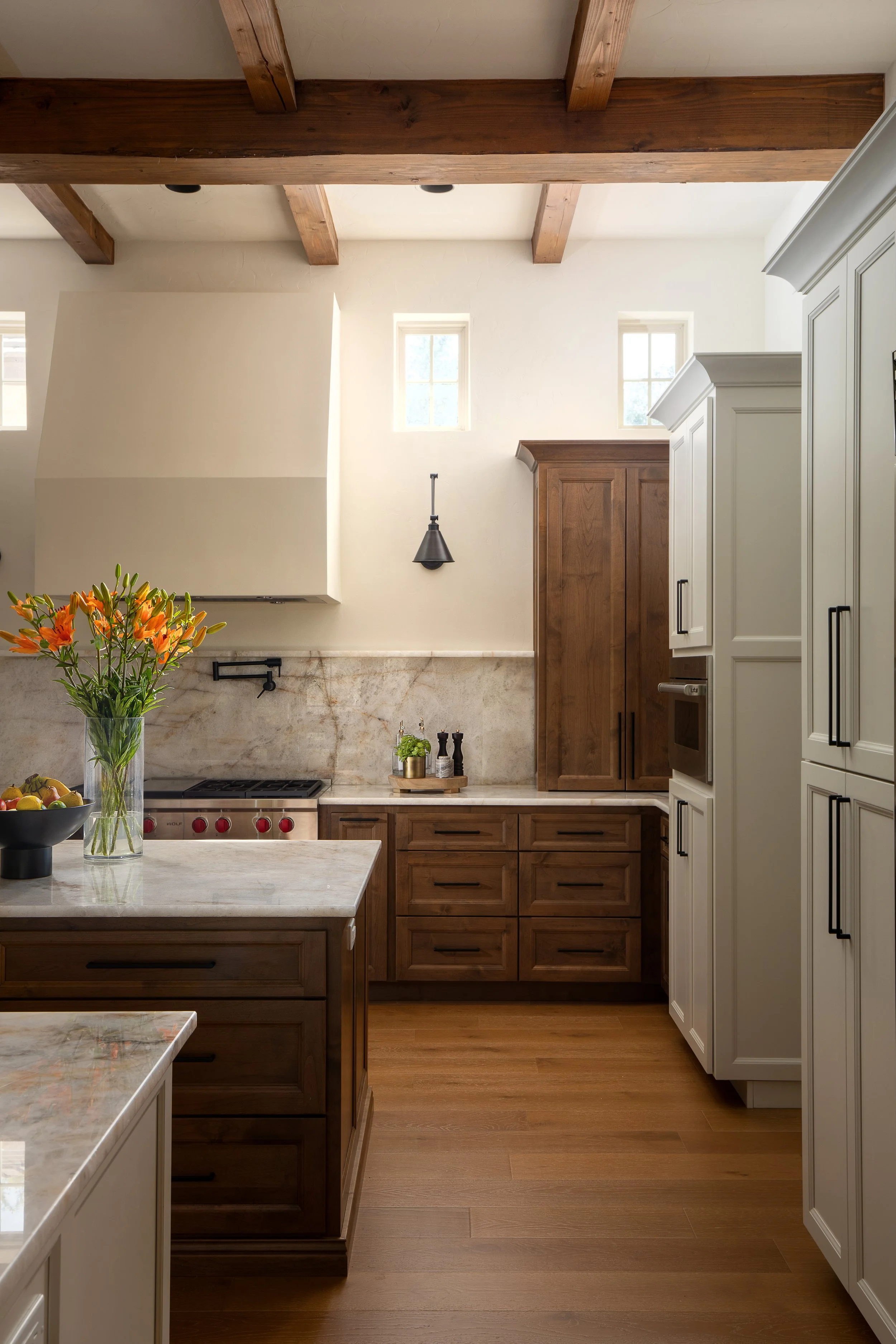
Great Design Deserves More Than Documentation
One of the biggest misconceptions about interior photography is that it's simply documentation.
Walk into a beautifully designed home, take a few photographs, and you're done.
In reality, cameras don't see the way people do.
They flatten depth. They exaggerate contrast. They struggle with mixed lighting. They can't distinguish between what deserves attention and what quietly distracts from the design.
Professional interior photography is a process of interpretation. Every decision—from where the camera is placed to the time of day a room is photographed—is made to recreate the experience of being in the space.
Sometimes that means waiting for softer light to settle into a room. Sometimes it means subtly adjusting furniture, removing visual distractions, or adding supplemental lighting so natural materials appear as they do in person. The goal isn't to change the design. It's to present it honestly.
The best photographs don't feel manufactured.
They feel inevitable, as though the room simply revealed itself.
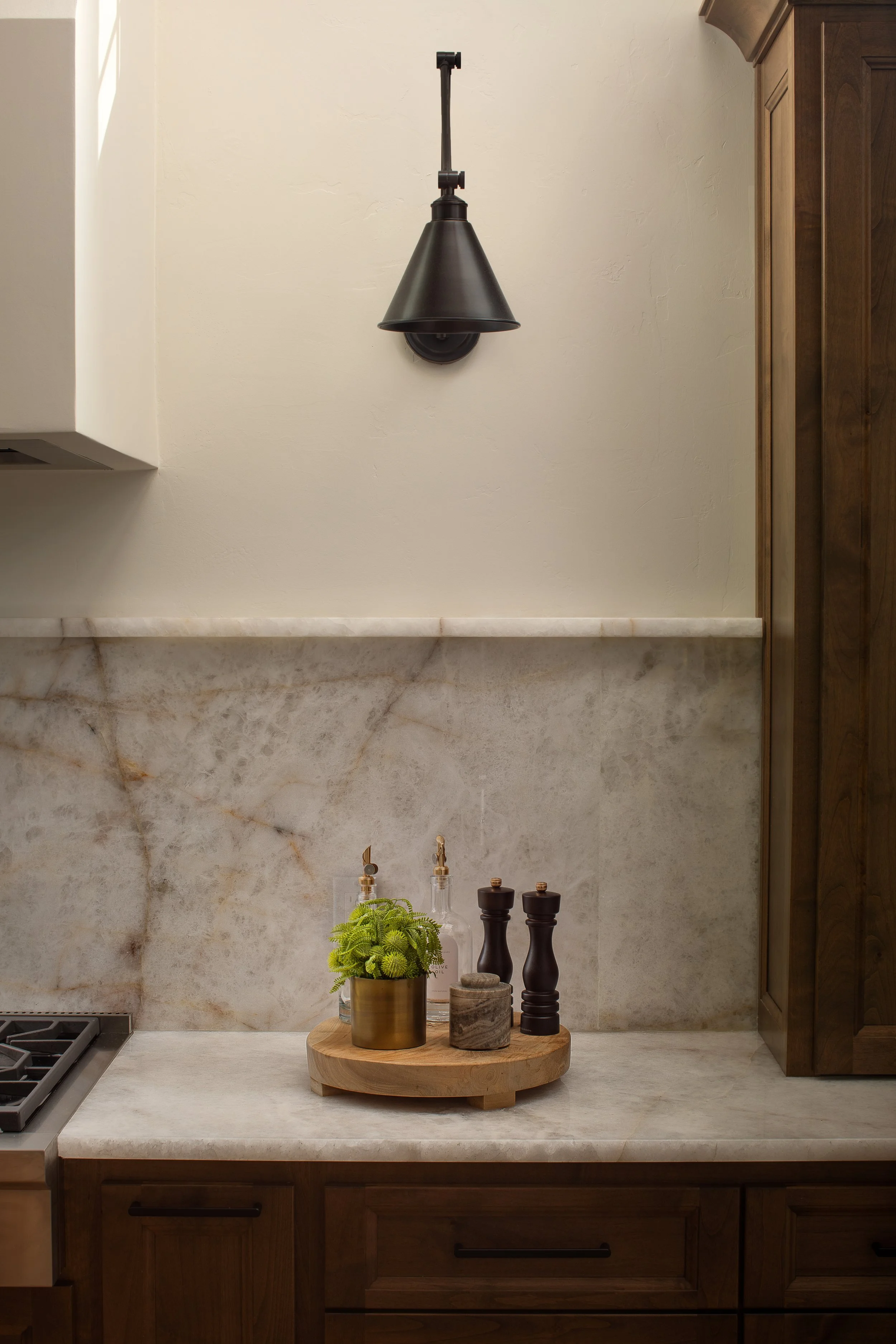
Photography Is One of the Longest-Lasting Investments in a Project
When a project is complete, much of the work eventually disappears from public view.
Clients move in. Landscaping matures. Furniture changes. New projects begin.
The photographs remain.
Years later, they're still introducing your business to prospective clients. They're submitted to magazines and design awards. They're shared by builders, architects, artisans, and manufacturers who collaborated on the project. They're featured in presentations, proposals, social media, newsletters, and websites.
One thoughtfully photographed project can continue opening doors long after construction has ended.
Viewed this way, professional photography isn't simply another line item in a project budget. It's one of the few investments that continues working for your business every single day.
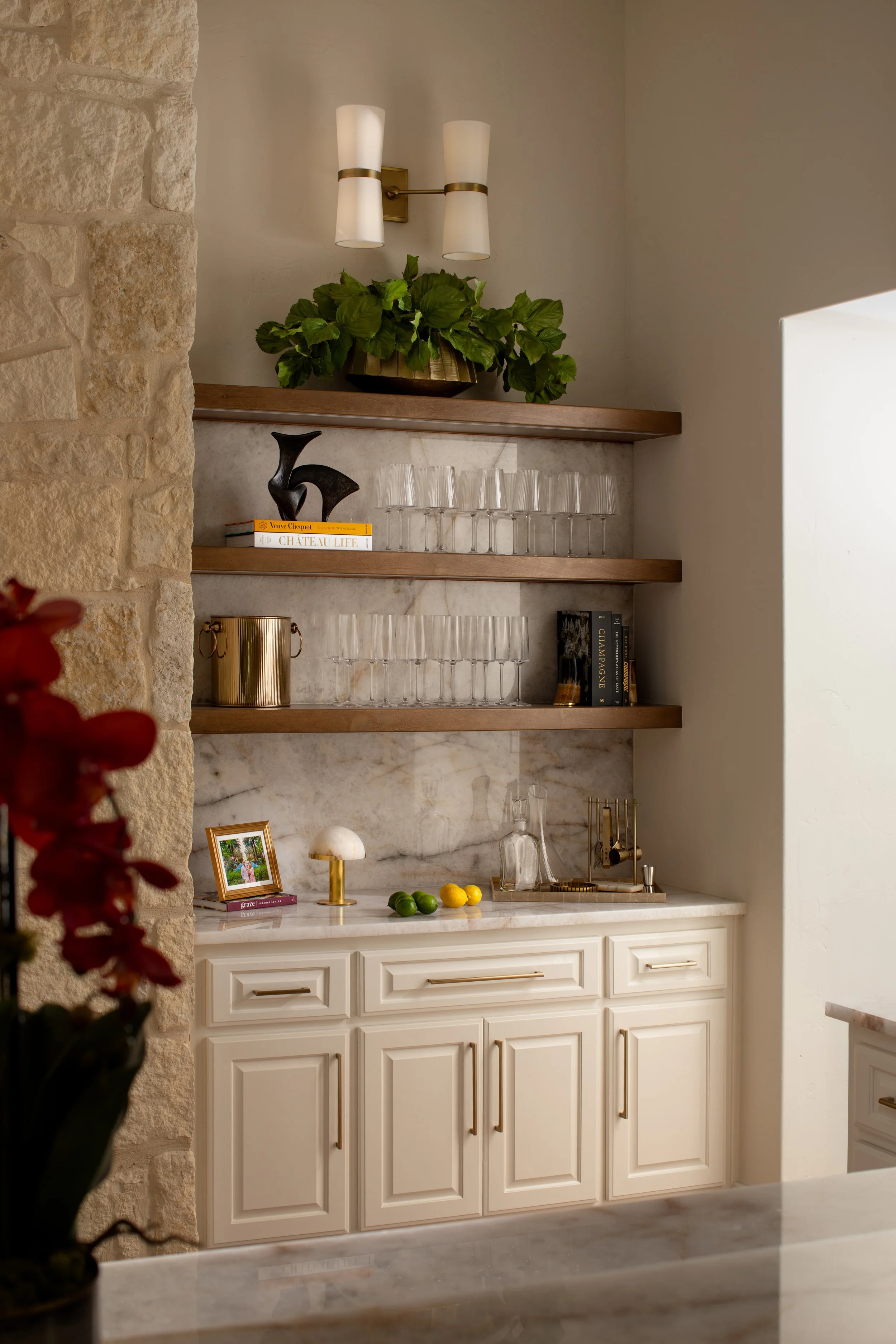
The Best Photography Builds Trust
There's another reason professional photography matters that often goes unspoken.
Trust.
People aren't just hiring an interior designer to choose finishes or furnishings. They're trusting someone with one of the most personal spaces in their lives.
Before they ever meet you, your portfolio answers silent questions.
Can I trust this designer?
Do they understand the kind of home I want to create?
Will they pay attention to the details that matter to me?
Professional photography helps answer those questions without saying a word.
Not because every image is flawless, but because every image reflects intention.
The care you brought to the project becomes visible.
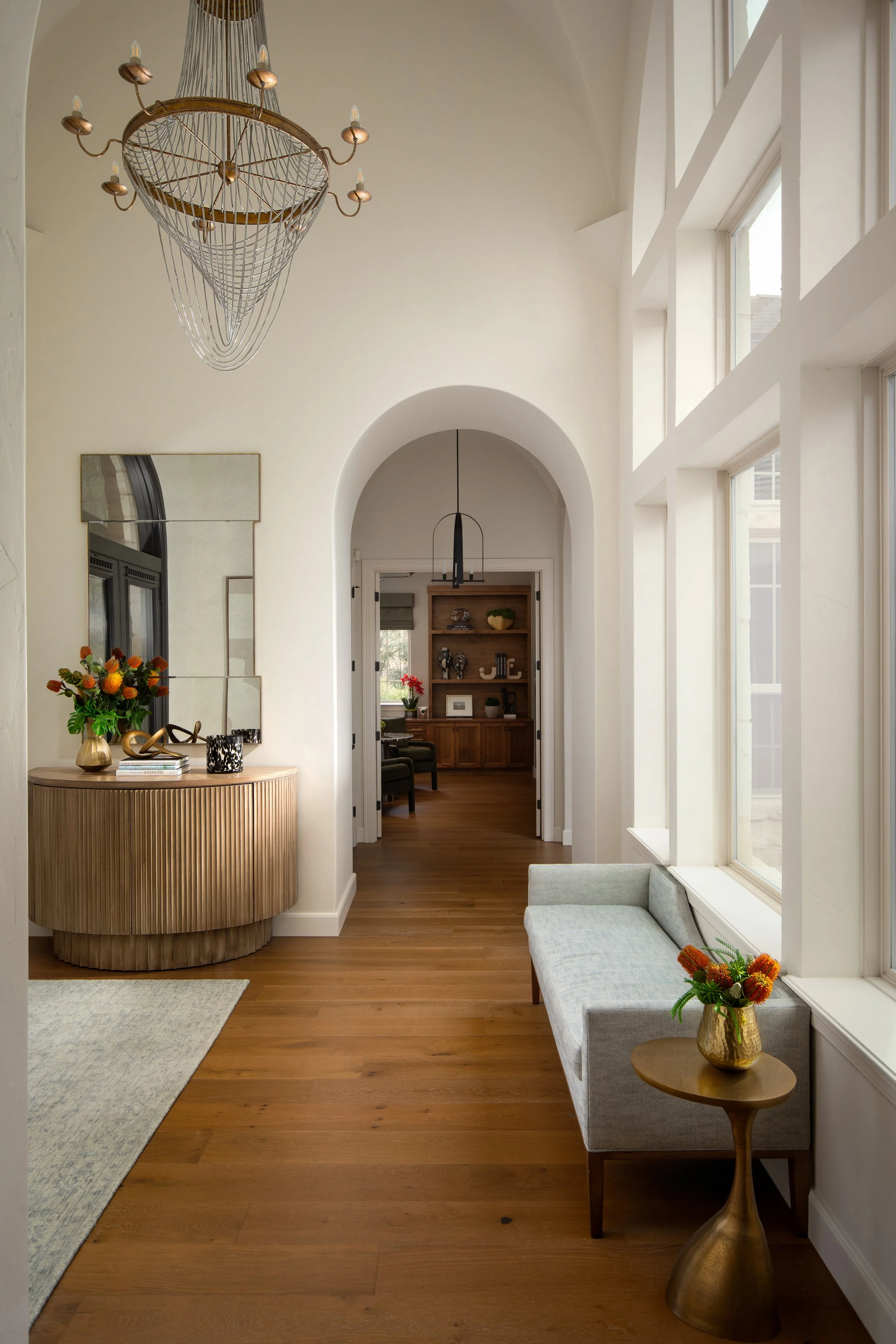
Photography Marks the Beginning of a Project's Next Chapter
It's easy to think of photography as the finish line.
In many ways, it's the opposite.
The day after a project is photographed is often the day it begins reaching people who have never seen it before. Future clients discover it online. Editors consider it for publication. Vendors share it with their own audiences. Awards recognize it. Referrals begin with it.
Photography doesn't simply preserve your work.
It extends its life.
At Glass Lake, we believe the goal isn't just to create beautiful images. It's to create photographs that continue telling the story of your work long after the project itself is complete—images that help your business grow while remaining faithful to the care and craftsmanship that brought the space to life.
Frequently Asked Questions
Why is professional interior design photography important?
Professional interior design photography helps designers present their work accurately, attract ideal clients, strengthen their brand, and create marketing assets that continue generating value long after a project is complete.
How is interior design photography different from real estate photography?
Real estate photography is designed to showcase a property's size and layout for sale. Interior design photography focuses on storytelling, craftsmanship, materials, light, and the designer's creative vision.
When should an interior designer hire a professional photographer?
The ideal time is after styling has been completed and every design detail is finalized. This ensures the project is documented at its highest potential and is ready for portfolios, publications, and marketing.